
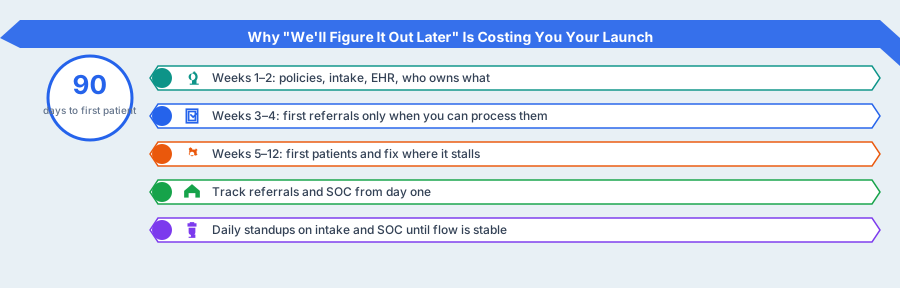
Your first 90 days set the tone. The goal is to go from “we’re licensed” to “we’re admitting patients and getting paid” without burning out or skipping steps. This is a rough week-by-week frame you can adapt to your state and situation.
Weeks 1–2: Lock the basics
Finalize your policies and procedures so they match your state and the CoP. Assign who’s responsible for intake, scheduling, and clinical oversight. Set up your EHR or at least a clear process for referral packets, orders, and OASIS. If you don’t have a standard intake checklist yet, create one,even a simple list of “referral received, F2F verified, orders in hand, insurance verified” will keep things from slipping.
Weeks 3–4: First referrals and staff
Start accepting referrals only when you can actually process them. That means someone knows how to verify insurance, check face-to-face dates, and get orders in the chart before the first visit. Train your clinicians on your documentation expectations and OASIS timing. Do a dry run with a sample referral so you see where the bottlenecks are.
Weeks 5–12: First patients and billing
Admit your first patients and run through the full cycle: referral → intake → SOC → visits → recert (if applicable) → discharge. Watch where things stall,often it’s intake or missing paperwork. Fix those before you scale. Set up simple reports so you know how many referrals you’re getting, how many make it to SOC, and how long it takes. Use that to tighten the process.
Experienced operators also track one or two simple metrics from day one: referrals received, SOCs completed, and (if possible) time from referral to SOC. Even rough numbers give you a baseline so you know when you’re improving. Don’t wait until “everything is perfect” to start,perfect is the enemy of open.
We have a first-90-days action plan you can download and tailor to your agency: week-by-week tasks, who owns what, and a place to log your first referral and SOC metrics. Use the button below to get it.