
A business plan for a home health agency isn’t just for the bank. It forces you to spell out your market, your costs, your staffing model, and how you’ll get and keep referrals. Lenders and potential partners will skim it; experienced owners use it to pressure-test assumptions and catch gaps before they open the doors.
What to include
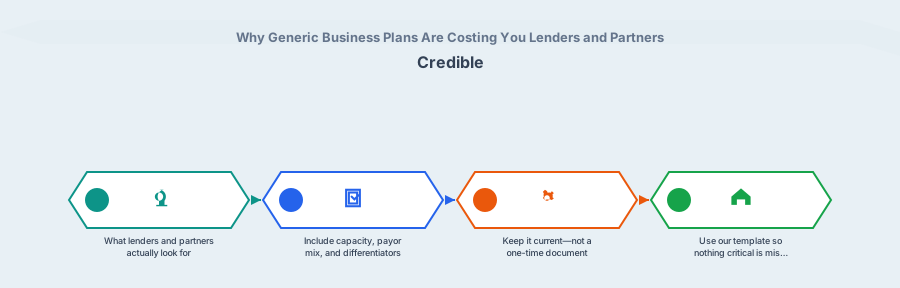
Executive summary, market and competition (who else serves the area, what payers and referral sources exist), services and payor mix (Medicare, MA, Medicaid, other), organizational structure and key roles, financial projections (revenue by payor, cost per visit, break-even), and capital needs (startup and working capital). If you’re applying for a loan, the lender will want to see that you’ve thought through cash flow for at least the first 12–18 months. Seasoned managers add a risk section: what if conversion is 10% lower, or one hospital contract doesn’t materialize? Running those scenarios keeps the plan honest.
What makes it credible
Use real numbers where you can: state and CMS data on episodes and visits, local wage data for nurses and therapists, and any benchmarks from NAHC or your state association. Don’t assume 100% conversion of referrals to SOC or zero denials; build in a realistic referral volume and conversion rate (many agencies see 40–60% referral-to-SOC) and a denial rate (5–15% is common). A one-page “assumptions” section helps: if someone questions a number, you can point to the source. Lenders and partners notice when you’ve done the homework.
How experienced owners use it after year one
Revisit the plan annually. Compare actual revenue, cost per visit, and conversion to what you projected. If you’re off, figure out why,payor mix, intake speed, or staffing,and adjust. The plan becomes a living document for strategic decisions: adding a payor, opening a new territory, or changing your referral mix. A template that already has the right sections saves you from reinventing the structure every time.
We’ve put together a business plan template you can download: the sections lenders and partners expect, plus placeholders for assumptions and benchmarks so you can plug in your numbers and run scenarios. Use the button below to get it.