
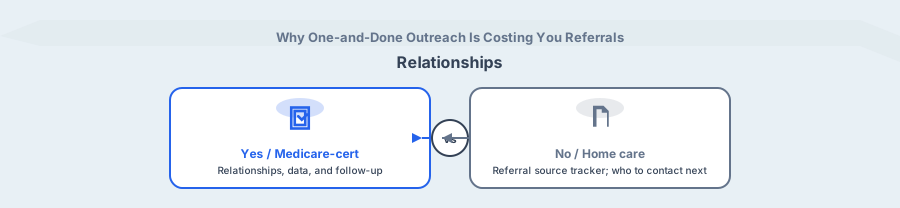
Referral development isn’t just lunches and handshakes. It’s relationships plus data: who sends you what, how much converts, and why some sources go cold. If you don’t track it, you’re guessing.
Who to focus on
Hospitals (discharge planners, case management), SNFs (directors, MDS coordinators), and physicians (offices that refer often) are the usual mix. Each has different incentives. Hospitals care about readmissions and length of stay; SNFs about placement and follow-up; physicians about continuity and not getting calls about missing paperwork. Your pitch and your follow-up should match. One message for everyone doesn’t work.
Conversion and follow-up
Getting the referral is step one. Getting the patient to SOC is step two. If you lose half your referrals between receipt and SOC, the problem isn’t marketing,it’s intake or auth. See why referrals fall out before start of care for root causes and fixes. Track by source: how many referrals per month, how many to SOC, and how many days in between. When one source’s conversion drops or time-to-SOC stretches, you know where to look. Follow up with sources when you fix something (“we’ve cut our time to SOC,here’s what we changed”) so they see you’re serious.
Data you need
At minimum: referral source name, referral count, SOC count, and average days from referral to SOC. By payor if you can. That tells you which sources are worth investing in and which are sending you patients you can’t start. A simple referral source tracker,even a spreadsheet,beats no data. We have a tracker template you can download and adapt.