
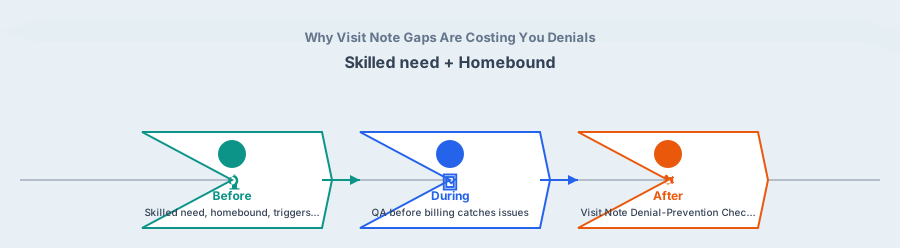
Visit notes must support skilled need, homebound status, and the services billed. Payers and auditors look for specific language and consistency. Weak or vague notes drive denials,home health denial prevention starts with visit note QA before billing. Senior management should make it part of the routine.
What payers and auditors look for
Skilled observation and assessment; teaching and training; response to interventions; change in condition when relevant. Homebound: why the patient is homebound, and that it’s consistent with the POC and OASIS. Avoid vague phrases (“patient tolerated treatment” without specifics). Each discipline has expectations,nursing, therapy, and aide notes each need to support what you’re billing.
Common denial triggers
Note doesn’t support skilled need. Homebound not documented or contradicted elsewhere. Visit date or time missing or wrong. Signature or credentials missing. Services in the note don’t match the order or frequency. See order-to-note matching so the chart aligns before billing. A short denial-prevention checklist (e.g. skilled need, homebound, completeness, consistency) run on a sample of notes before or after billing catches most issues.
Who should run visit note QA
Assign someone (clinical or QA) to review a sample of visit notes weekly or before final claim submission. Use a checklist so it’s consistent. We have a Visit Note Denial-Prevention Checklist you can download: skilled need, homebound, completeness, and consistency checks. Use the button below to get it.