
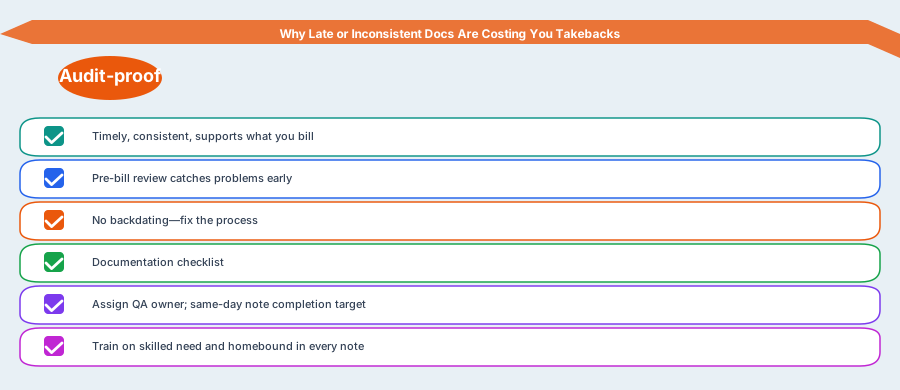
Documentation that holds up in audits is timely, consistent across the chart, and supports what you’re billing. When it’s not, you get takebacks and denials. Experienced DONs and billing leads use a short pre-bill review so problems are caught before the claim goes out,fixing a chart once is cheaper than an ADR or appeal.
What to document and when
Assessments and visit notes need to be done within the timeframes in your policy and the CoP. OASIS has to be complete and locked when required. Orders and face-to-face have to be in the chart before you bill. If something’s missing, don’t backdate it,fix the process so it doesn’t happen next time. Train clinicians that “document the same day” isn’t optional; late entries create inconsistency and audit risk. A simple checklist (SOC date set? F2F in window? Order matches note?) at lock or submit time catches most issues.
Avoiding takebacks
Consistency is key. The order, face-to-face, and visit notes should tell the same story: same diagnoses, same need for home health. If the order says one thing and the note says another, that’s a red flag. Run a quick check before submission: do the key documents align? Takebacks often cluster around a few causes: missing F2F, order-to-note mismatch, or late OASIS. If you track denial and takeback reasons, you can target training and process fixes where they’ll matter most.
Building a pre-bill habit
Whether it’s a designated person or the clinician before they lock, someone should run through a short list before the chart is considered “billable.” That list should match what payers and auditors look for: timing, presence of key documents, and alignment across the record. Making it a standard step,and giving people a checklist so they don’t rely on memory,reduces variation and protects revenue.
We have a documentation checklist you can download: timing, required elements, and a short pre-bill review you can use at lock or submit. Use the button below to get it.